AI data centers: How much are ratepayers on the hook for?
1 hour ago
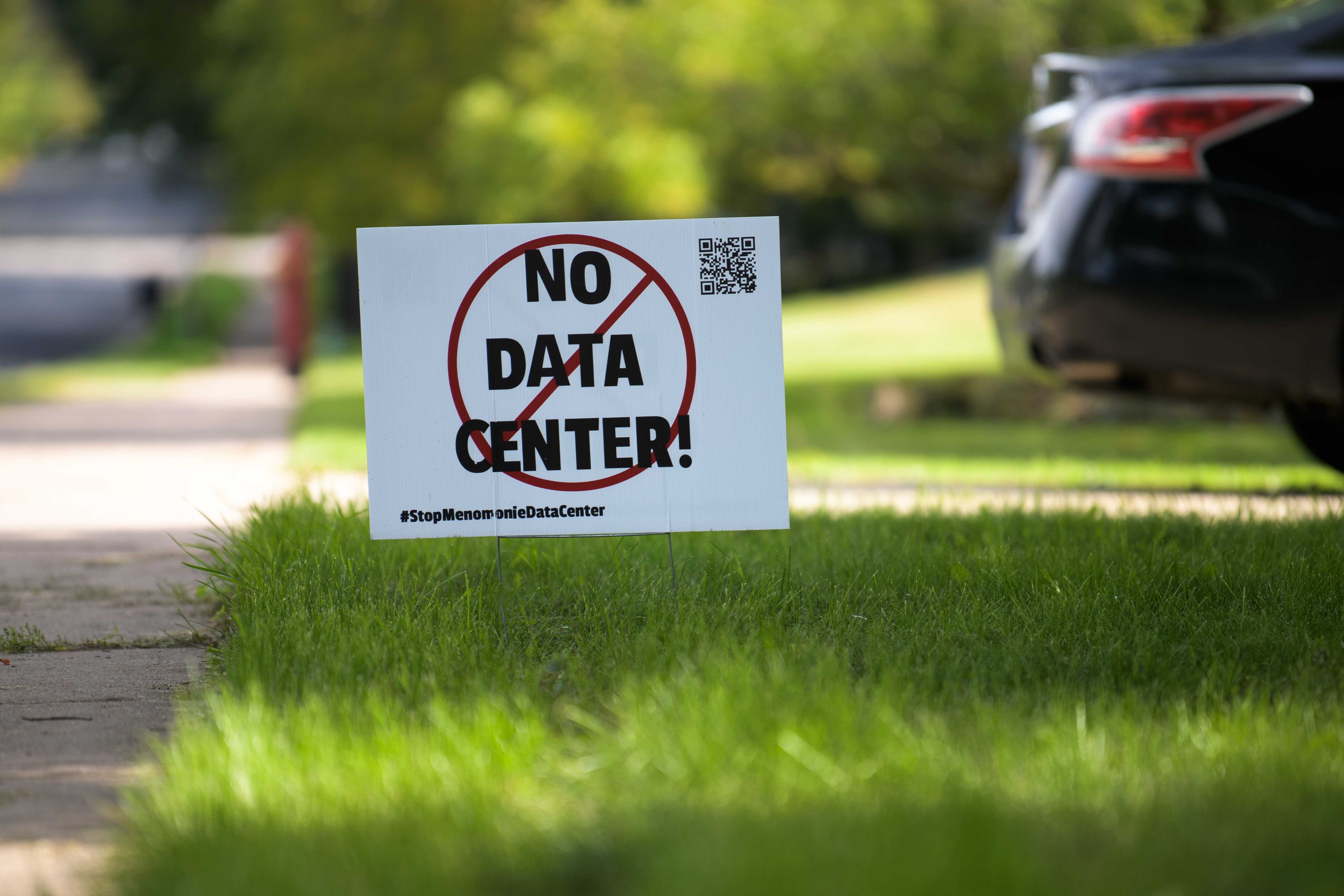
A sign opposing a data center development project stands in a neighborhood on September 24, 2026 in Menomonie, Wisconsin.
Ahead of the midterm elections, Congress is scrambling to show that it understands voter concerns about AI data centers and their potential impact on electricity rates. But answering the question of how much of those costs will be shouldered by residential utility customers is surprisingly difficult to answer.
That uncertainty is at the heart of a growing fight on Capitol Hill, as lawmakers advance competing proposals aimed at protecting ratepayers in a debate that often belies the complexity of the underlying economics.
On Capitol Hill this week, Republicans have been trying to push through the Ratepayer Protection Act , sponsored by Ohio Republican Sen. Jon Husted. The bill would have state utilities consider holding "large-load" customers responsible for the increased costs.
Husted is in a heated reelection campaign against Democrat Sherrod Brown, who lost his Senate seat in 2024. Brown has made Husted's past support of data centers in Ohio a major campaign issue. The bill easily passed the House in September with strong bipartisan support.
Senate Minority Leader Sen. Chuck Schumer opposes the measure, saying its protections for ratepayers are voluntary. Instead, Schumer is promoting the GRID Savings Act, a similar bill authored by New Mexico Democrat Sen. Martin Heinrich, which he says has more teeth.
Copyright for this text belongs to NPR.
More from this day
The Guardian
Trump doesn’t rule out sending ICE to polling sites; US supreme court to review policy to detain immigrants challenging deportation – live
The Guardian
France school protests escalate into ‘urban violence’ as PM calls crisis cabinet meeting
BBC
UK-Iranian dual national arrested over RAF Fairford incident, police say