How Suica works and how to get one: card, mobile, and visitor options
Japan's everyday transit IC for trains, buses, and convenience stores. How the gates work, physical vs mobile vs Welcome Suica, plus charging and refunds.
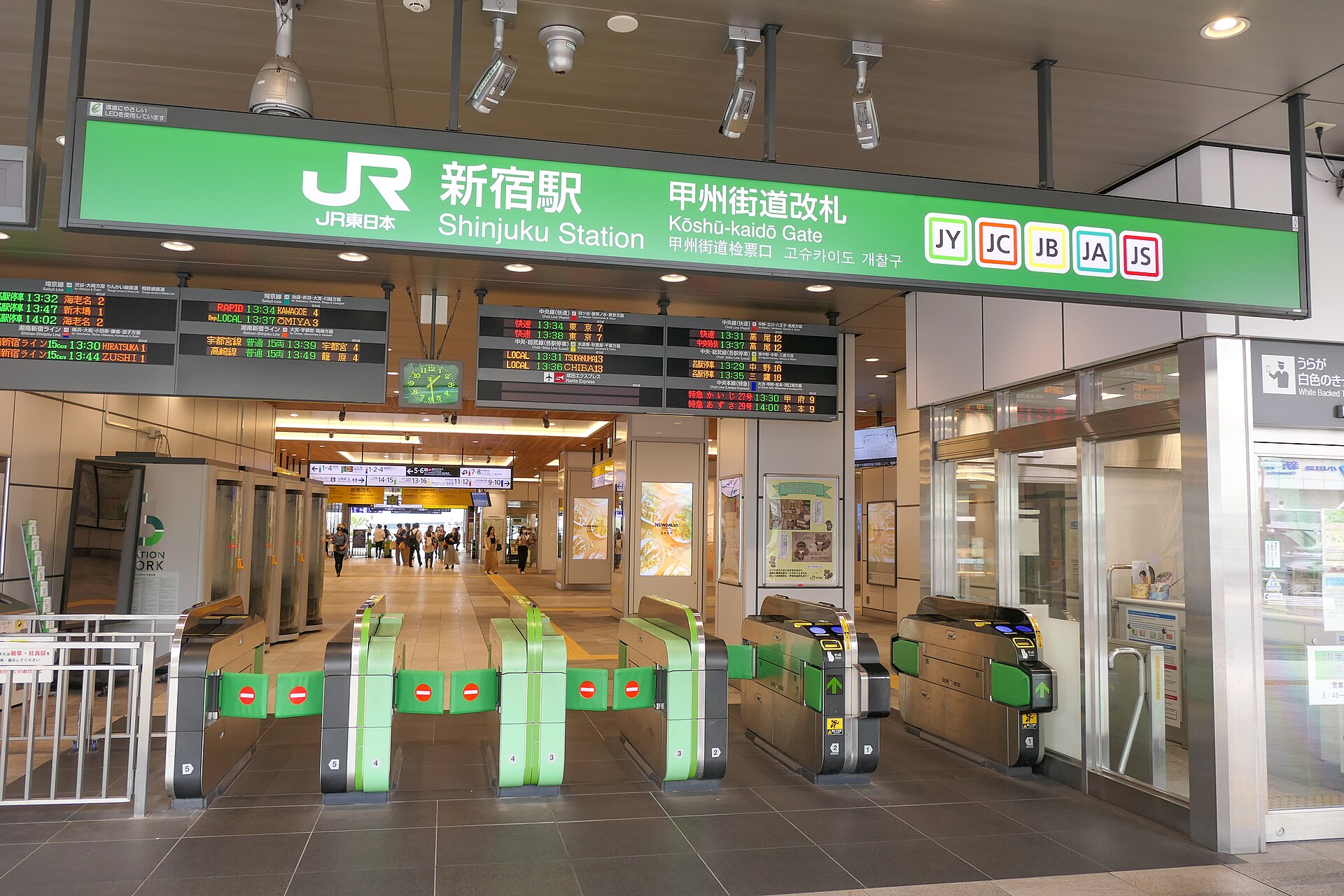
What Suica is
Suica is JR East's transit IC card. Tap a gate or bus reader and the fare is deducted; many convenience stores, vending machines, and lockers take it as e-money. Nationwide interoperability with PASMO, ICOCA, and others means a Kanto card often works in Osaka or Fukuoka too. The balance cap is ¥20,000. The chip is Sony FeliCa—fast enough that ticket gates feel instant.
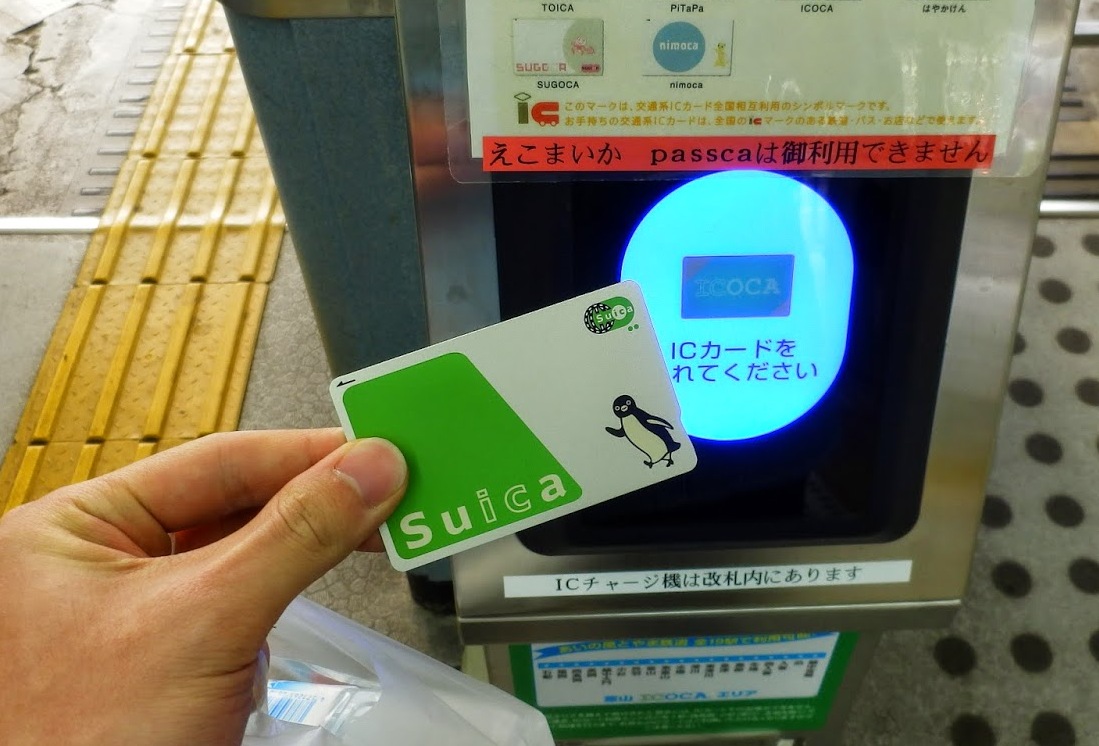
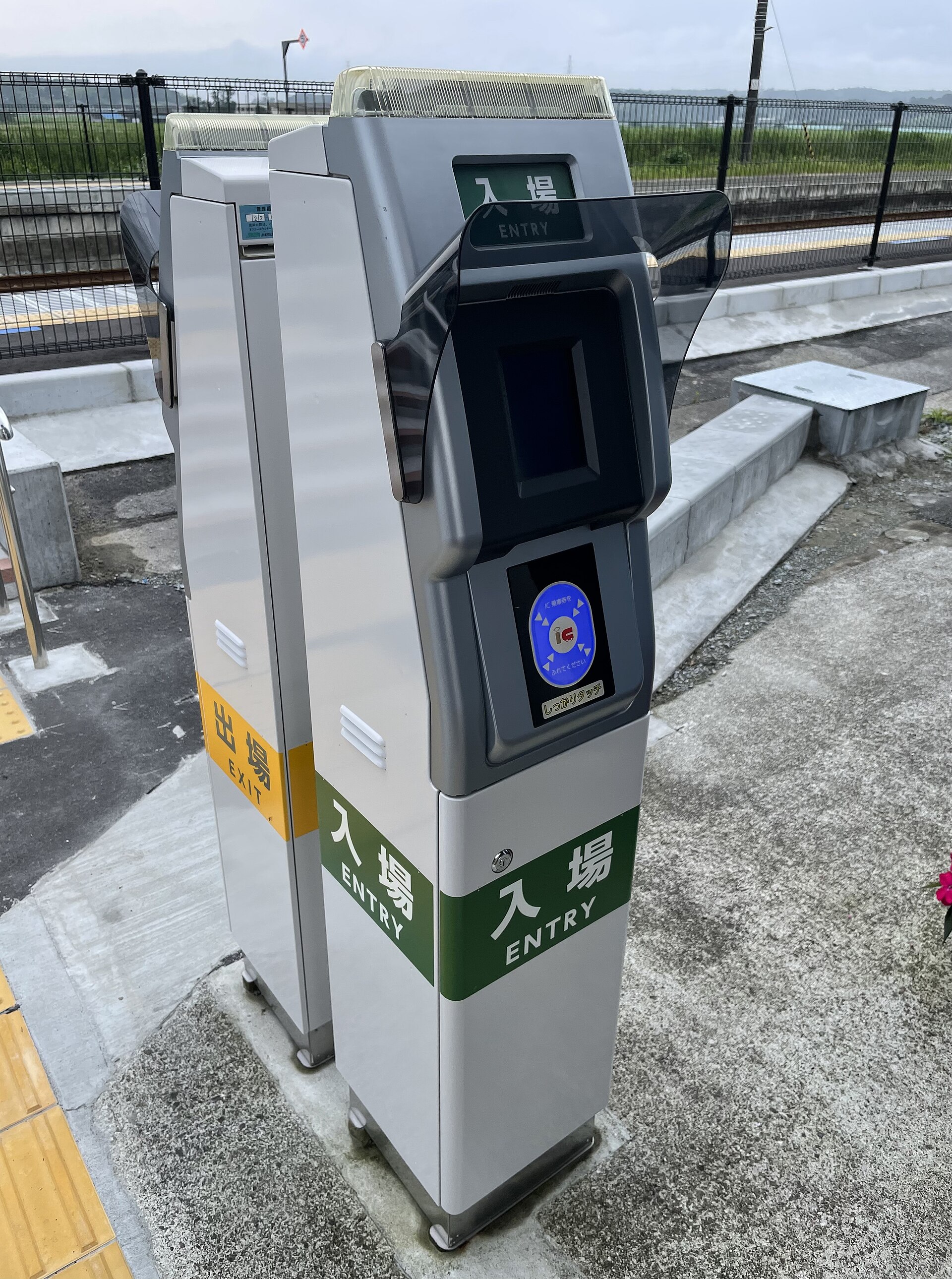
How gates and the balance work
Tap in to write an entry record, tap out to calculate the fare. Too little balance and you cannot exit. Buses may require tap-on only or tap on and off—follow the signage. Shops deduct instantly at the reader. Gates work even underground because the transaction is local to the card. Keep the phone powered; on iPhone, Express Transit usually lets you tap from the lock screen.
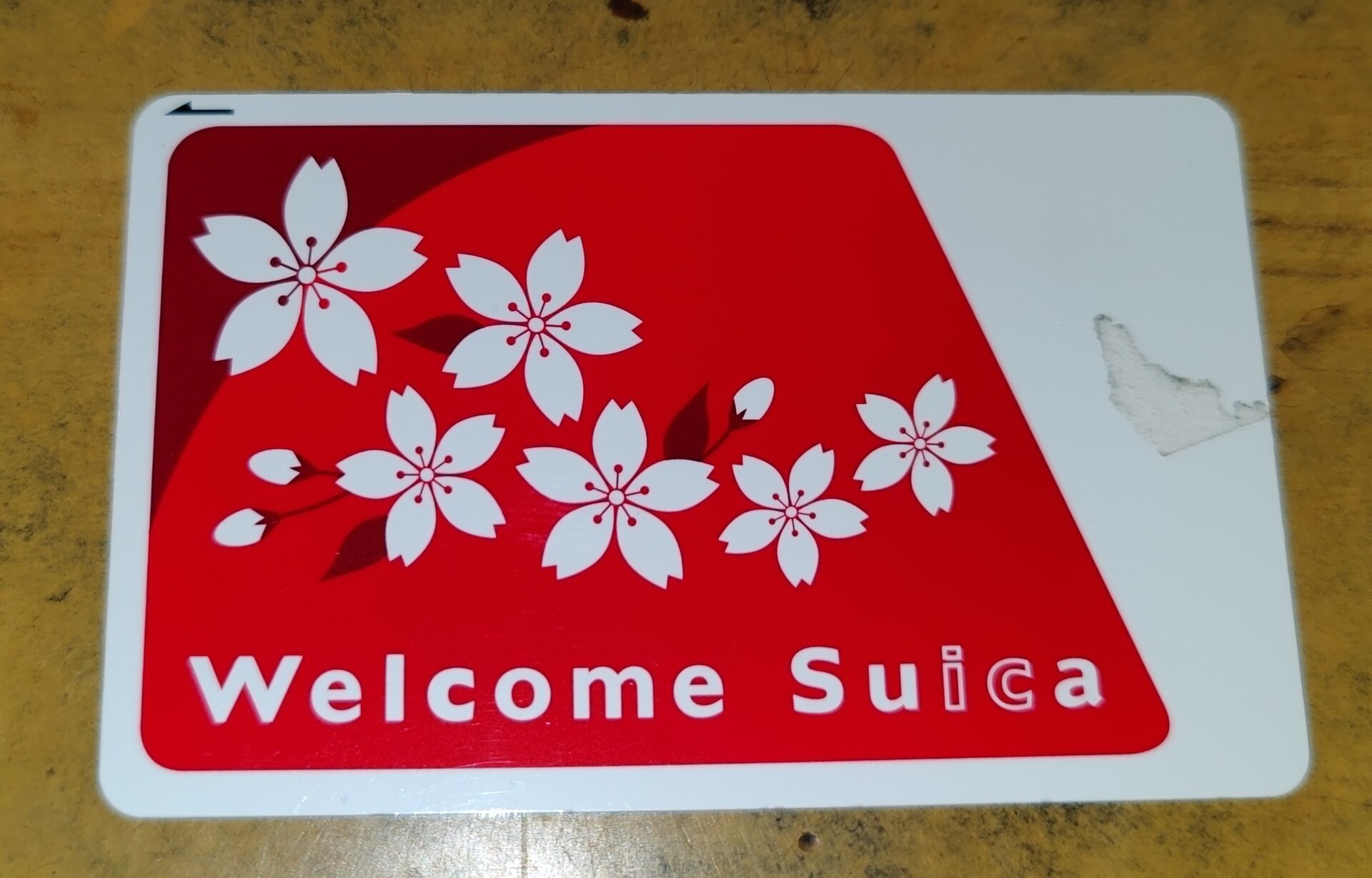
Which Suica to choose
Four practical options: 1) Mobile Suica (iPhone Wallet, or a Japan-sold FeliCa Android with Google Wallet)—no ticket-machine queue, nothing to forget. Best if you live here or visit often. 2) Welcome Suica Mobile (visitor app, iPhone / Apple Watch)—no issue fee or deposit, valid 180 days from issue, no balance refund. Overseas cards often work via Apple Pay. 3) Plastic Welcome Suica—no deposit, valid 28 days, no refund. JR EAST Travel Service Centers at Narita, Haneda, and major stations, plus some dedicated machines. Good for short trips or Android phones that cannot run Mobile Suica. 4) Regular unnamed Suica or named My Suica—price is charge plus a ¥500 deposit. On refund the deposit comes back and leftover balance is returned minus a fee (around ¥220). Named cards can be reissued if lost. Stock still varies by station; try mobile first if the machine is empty.
Sponsored · New to Tokyo?
A half-day in Tokyo with a local: private and personalized
A small private tour shaped around where you want to go (Viator)
How to buy or issue one
Mobile Suica on iPhone: Wallet → + → Transit card → Suica, then charge with Apple Pay. A Japanese phone number is often unnecessary. An existing plastic Suica can be transferred at a compatible machine (the card then dies). Welcome Suica Mobile: install the app, set a passphrase, issue. No membership. Charge via Apple Pay; cash top-up is described for use inside Japan. Plastic Welcome: after landing, JR East Travel Service Center or a dedicated machine. Typical values ¥1,000 / ¥2,000 / ¥5,000 / ¥10,000—all usable balance, no deposit. Some counters ask for a passport. Regular card: JR East multi-function machines, reserved-seat machines, or Midori-no-madoguchi. Pick Suica purchase and pay cash or a supported card. PASMO is sold at many private-railway machines; gate interoperability is essentially the same. Note: most overseas Androids lack FeliCa, so Mobile Suica will not issue. Use plastic or Welcome Suica Mobile on iPhone.
Charging and everyday use
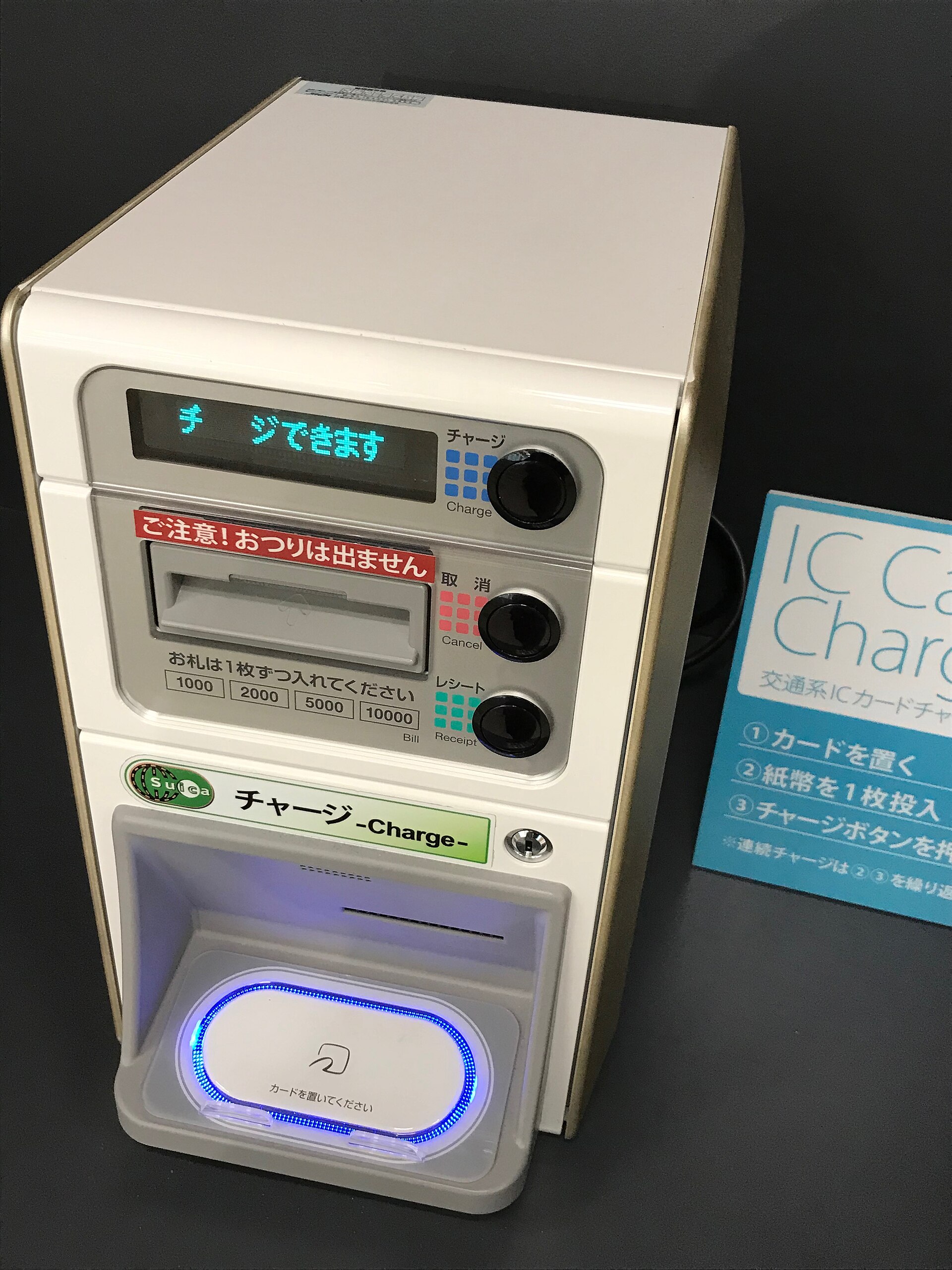
Top up at station machines (cash is reliable), convenience-store counters, or in the app / Wallet with a card, Apple Pay, or Google Pay. Auto-charge is for named or mobile Suica linked to a supported card such as View. Tap the card face or the top of the phone on the reader—don't bury it in a stack of cards. If you are stuck inside with too little balance, use a fare-adjustment machine or staffed gate. Some shinkansen cars allow a simple tap; others need EX or a ticketless booking—check before you board. Shops showing the transit-IC mark take Suica. Stalls may be cash only. Check the balance on a machine or in the mobile history.
Refunds, expiry, and common mix-ups
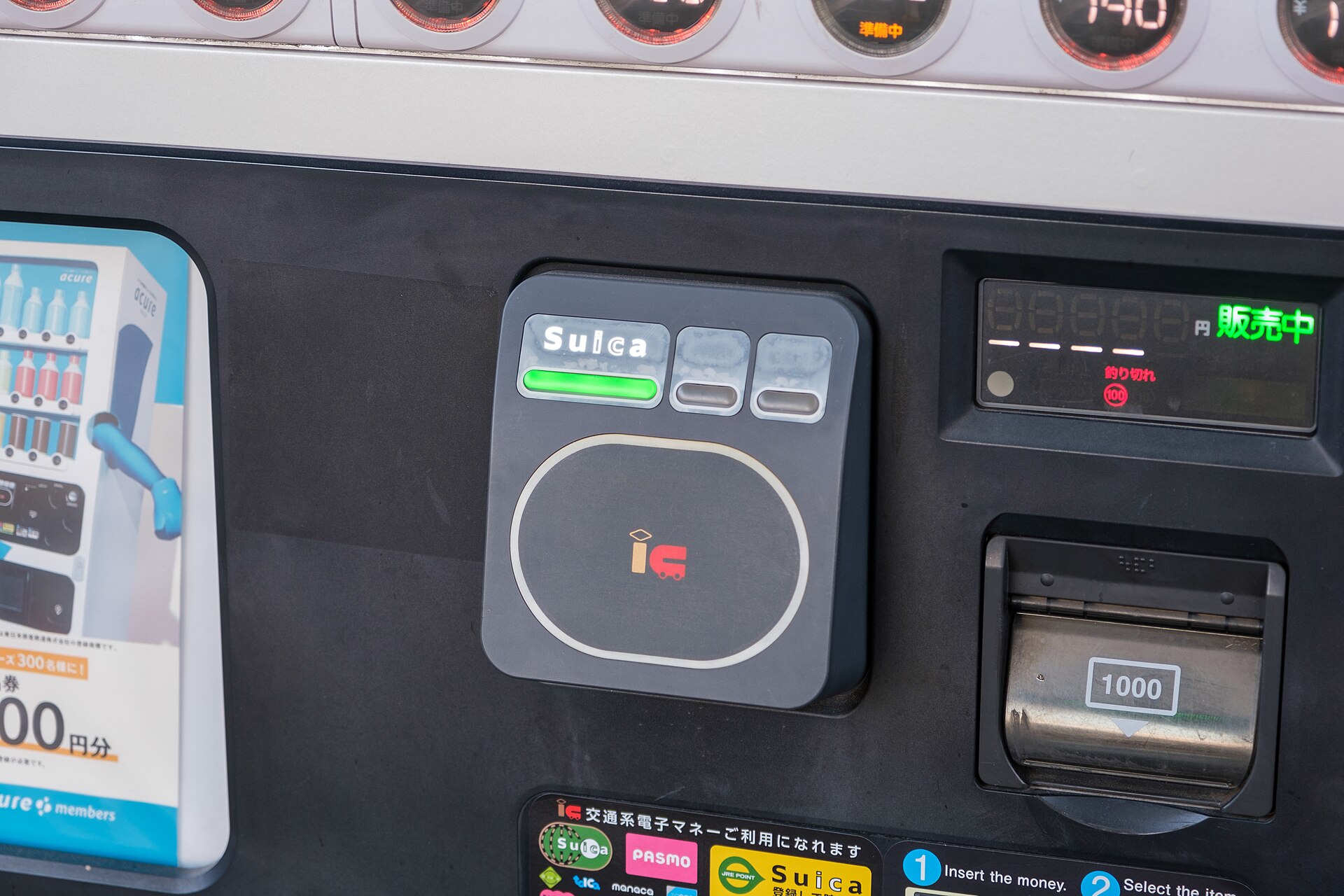
Refund a regular Suica at a JR East counter: the ¥500 deposit returns, and remaining value comes back minus a fee. Welcome (card or mobile) is generally non-refundable—charge modestly. Regular cards can expire after about ten years unused. On a phone, follow the official transfer steps before you switch devices or the balance can vanish. Suica and PASMO differ by issuer; in Tokyo they feel the same. ICOCA is JR West's card and still works at many Kanto gates under interoperability. Child Suica has age rules. Commuter passes go on mobile or a named card. Fares and stock change. Unnamed cards were paused during a chip shortage, so check JR East's Suica page shortly before you travel.
Tips
- On iPhone, Wallet Suica or Welcome Suica Mobile is fastest. Overseas Android: use plastic.
- Limited expresses add up—charge ¥3,000+ right after landing if you might take Narita Express.
- Cap is ¥20,000. On non-refundable Welcome, only load what you will spend.
- Confirm details on JR East's Suica pages—sales points and Welcome rules change.