Google launches Project Suncatcher, a step towards AI data centers in space
2 時間前
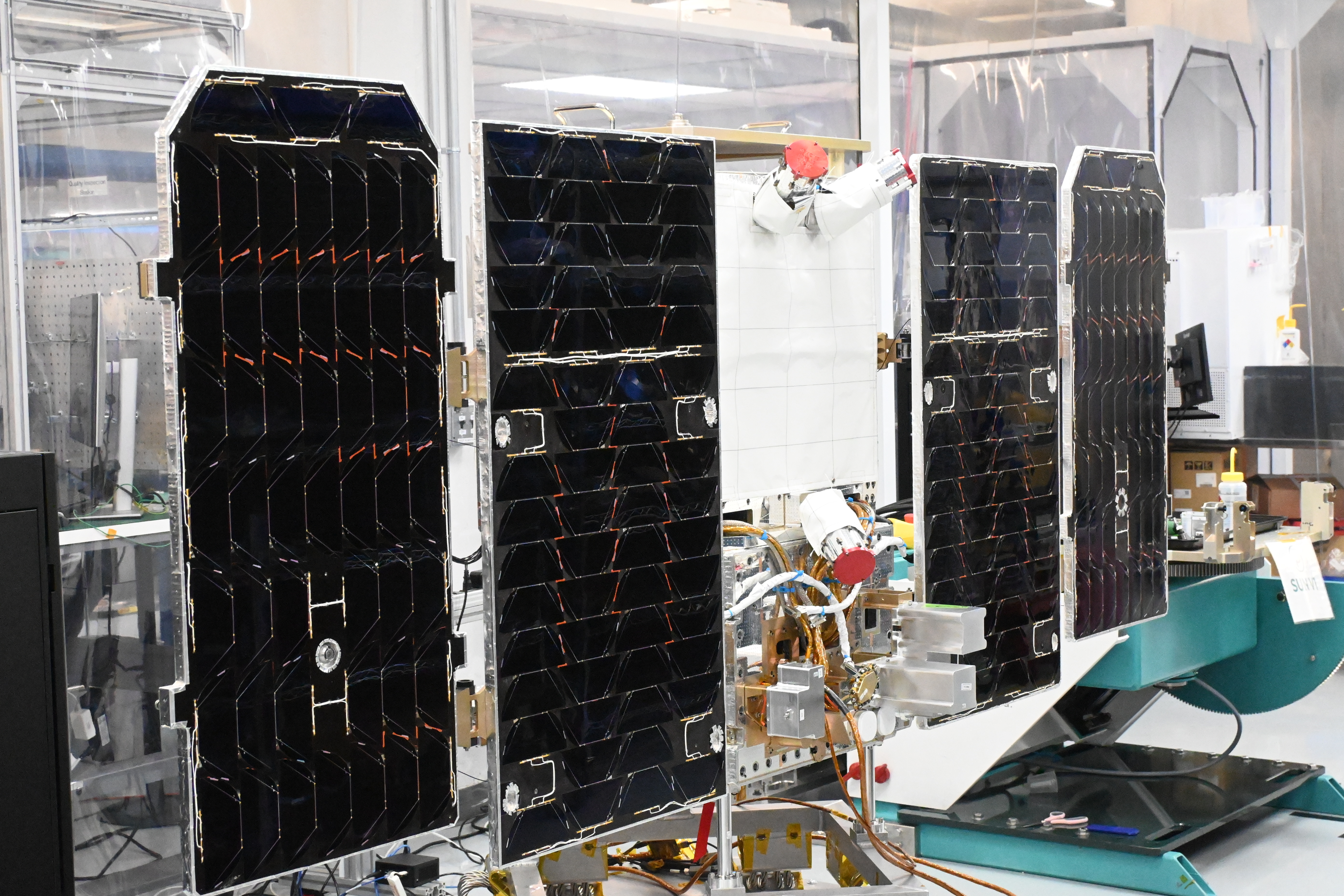
A prototype of the Project Suncatcher satellite at the Planet Labs facility in San Francisco, California.
Google just put a refrigerator-sized satellite into space, part of a research project the company hopes can pave the way for orbiting AI data centers powered by the sun.
Big tech's next move is to put data centers in space. Can it work?
The prototype satellite has four specialty chips in it called Tensor Processing Units, or TPUs, that Google designed for machine learning and has already deployed in data centers on Earth. The chips will run a version of the company's Gemma AI model for 15 minutes at a time due to heat management constraints, using the open weight model to answer simple queries. In a blog post , Google said the mission will gauge how the TPUs handle "the physical stress of spaceflight and the radiation and thermal extremes of space."
Use of AI has grown sharply over the last few years, fueling demand for data centers. At Google's annual developer summit in May, CEO Sundar Pichai said demand for AI services exceeds supply and he expects capital expenditures this year to be $180 billion to $190 billion — more than six times as large as in 2022 — as the company builds computing infrastructure and develops chips.
本文の著作権はNPRにあります。